
How often should you remove Tesla wheel covers? If you are like most owners, the answer is “only when something looks wrong” — and that is exactly the habit that lets small problems turn into expensive ones. Wheel covers are the first line of defense for your rims, but they also hide what is happening underneath: brake dust buildup, clip wear, and curb damage you will not spot until the cover comes off.
The good news is that a proper maintenance cadence takes less than 20 minutes per wheel and needs no special tools. This guide gives you a practical removal schedule, the warning signs that mean “take it off now,” and a checklist of what to inspect once the cover is in your hands.
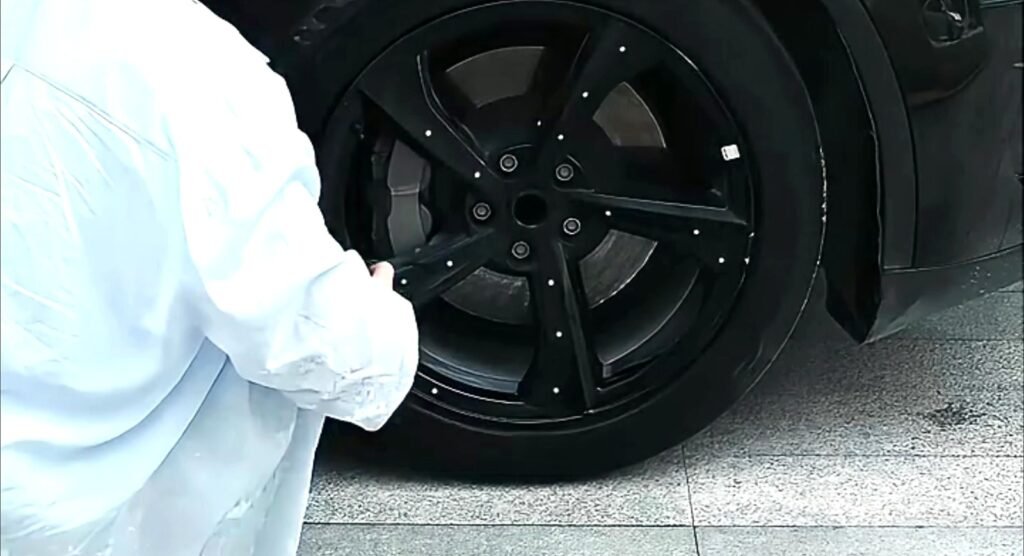
Why Removing Your Tesla Wheel Covers on a Schedule Matters
Tesla wheel covers are not “fit and forget” parts. They flex every time you park against a curb, they vibrate with the road, and their retention clips slowly lose grip over thousands of miles. None of this is visible while the cover is mounted.
At the same time, the cover traps whatever the wheel collects: brake dust, road grime, and moisture. A cover that never comes off can hide a corroding rim edge or a tire losing pressure far more slowly than it should. Scheduled removal is the only way to catch these issues early.
There is a resale angle too. Buyers and inspectors look at wheels first. Rims that were checked and maintained under their covers simply present better than rims that spent five years sealed behind a dusty plastic shell. So how often should you remove Tesla wheel covers to stay ahead of all this? The schedule below keeps it simple.
How Often Should You Remove Tesla Wheel Covers? The Short Answer
For most drivers, the right rhythm looks like this:
- Every month: a quick visual and hand check — walk around the car, tug each cover gently at the edge, and look for gaps, rattles, or scuffs. No removal needed.
- Every 3 months (or each season change): pull all four covers off for a full inspection and a deep clean of both cover and rim. This is the core maintenance interval most owners should follow.
- After winter: remove them once the salt and slush season ends. Road salt works its way behind covers and accelerates corrosion on exposed rim edges.
- After any curb strike or deep pothole: take the affected cover off immediately, even if it looks fine. Cracks and clip damage often hide on the back side.
- Before tire rotation or brake service: the shop will remove them anyway — so inspect the covers yourself afterward while everything is fresh.
If you drive high annual mileage (15,000+ miles a year), double the frequency of the full inspection. Highway driving hammers covers with debris, heat cycling, and vibration.
7 Signs You Should Take a Cover Off Right Now
Skip the schedule and remove a wheel cover the same day if you notice any of these:
- A new rattle or ticking noise at low speed — usually a loosened clip (see our guide to Tesla wheel cover clips).
- A visible gap between the cover and the rim that was not there before.
- The cover sits crooked compared to the others.
- You hit a curb or pothole hard, even at parking speed.
- Brake dust streaks appearing on the tire sidewall — dirt is escaping from behind the cover.
- A TPMS warning on one corner — rule out a shifted or damaged cover before assuming sensor failure.
- One wheel looks dirtier than the rest after washing — grime may be trapped underneath.
What to Inspect While the Covers Are Off
Removal is only half the job — the inspection is where the value is. Work through this quick checklist for each wheel:
- Retention clips: look for cracked, flattened, or missing clips. Worn clips are the number one cause of covers that fall off at speed.
- Rim edge and barrel: check for curb rash, corrosion, or bubbling clearcoat, especially after winter.
- Back of the cover: feel for stress marks around the clip sockets — early crack zones.
- Brake dust level: heavy buildup means your cleaning interval is too long; see our complete cleaning guide.
- Tire sidewall and valve stem: look for scrapes and slow leaks hidden by the cover.
- TPMS sensor: confirm it is still seated and undamaged.
While the wheels are bare, this is also the perfect moment to wash them thoroughly and apply a coat of sealant or ceramic spray — maintenance you literally cannot do with the covers mounted.
How to Remove and Reinstall Without Damage
The removal routine takes about five minutes per wheel once you have done it a few times:
- Work top-down: pry gently at the top edge with plastic trim tools, never a metal screwdriver.
- Release clips gradually around the circumference instead of yanking one corner.
- Store covers flat on a towel while inspecting — never rest them on concrete.
- On reinstall, align the valve stem cutout first, then press around the edge until every clip clicks.
- Finish with a firm pull test at three points on the rim. A properly seated cover will not budge.
For a full walkthrough with tool recommendations, read our guide on how to remove Tesla aero wheel covers safely.
Frequently Asked Questions
Can I leave my Tesla wheel covers on all year?
You can, but you should not. Year-round mounting hides clip wear, traps brake dust and winter salt, and lets small rim damage go unnoticed. Removing them once a season for inspection and cleaning is the minimum we recommend.
Does removing wheel covers affect range or warranty?
Temporary removal has no effect on your warranty. Range may drop slightly while the covers are off — aero covers are designed to cut drag — but that reverses the moment you reinstall them. Permanent removal is a personal trade-off between looks and efficiency.
How do I know a cover is seated properly after reinstalling?
Push around the full edge until you hear even clicks, then tug firmly at three points. If any corner lifts or the cover sits proud of the rim on one side, pop it off and start again — driving on a half-seated cover is how covers end up on the highway.
Keep a Fresh Set Ready
Regular removal is also the moment most owners realize their original covers are tired — faded, scratched, or missing clips. A fresh set from the Nauticrim wheel cover shop makes every future inspection easier, with reinforced clips that survive the removal-and-reinstall cycle far better than worn stock parts. Browse the Power Turbine wheel cover for Tesla to see what a modern upgrade looks like, and put your maintenance schedule on the calendar today.