
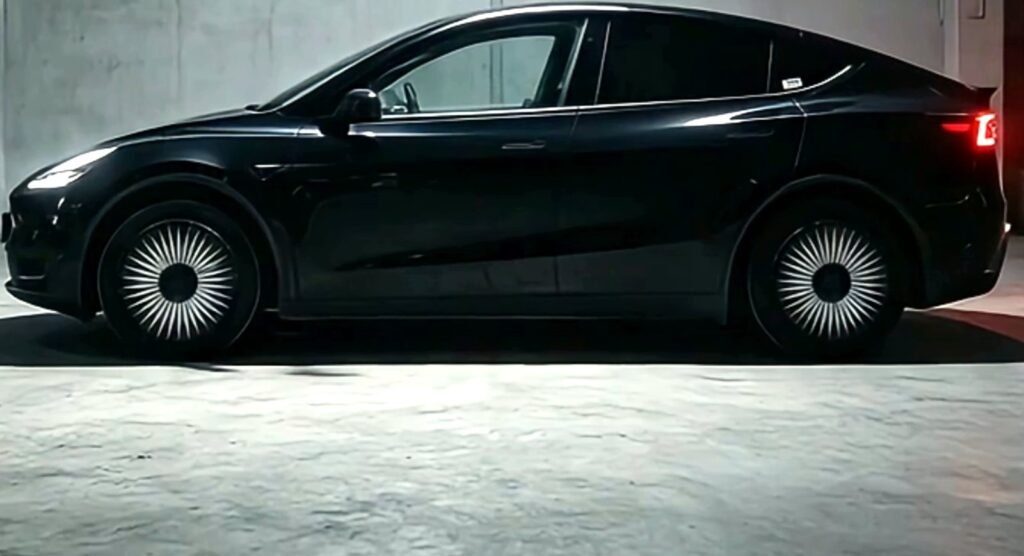
If you have shopped for fake Tesla wheel covers lately, you already know the problem: listings that look identical to the real thing, prices that seem too good to be true, and reviews that contradict each other. Counterfeit and low-grade replica covers flood marketplaces every year, and a bad set can rattle, fade, or even scratch your rims within weeks. This guide shows you exactly how to spot fake covers before you pay, so you only spend money on fitment that actually protects your wheels.
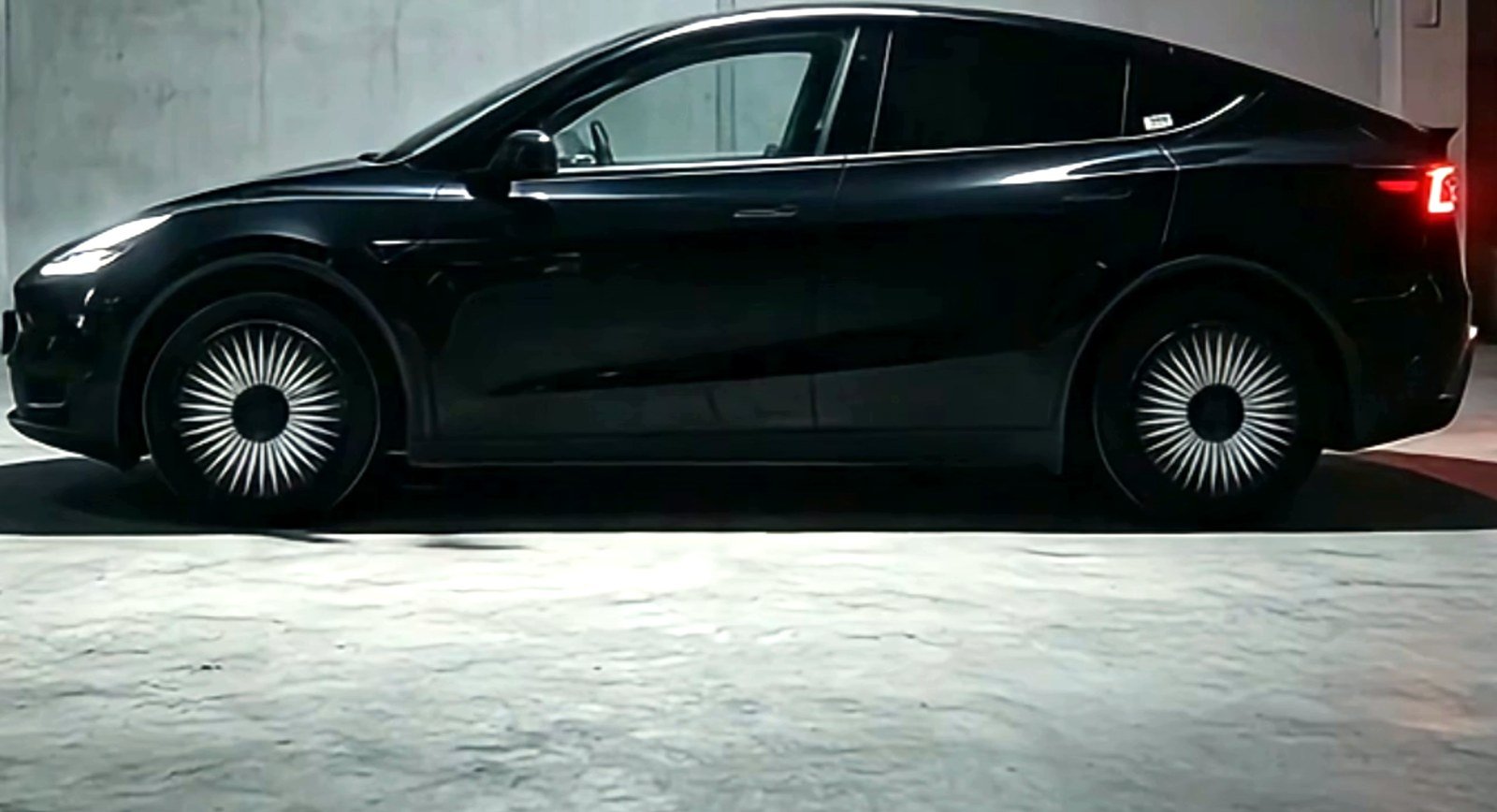
Why Fake Tesla Wheel Covers Are So Common
Tesla wheel covers are one of the most searched exterior accessories for Model 3 and Model Y owners, and demand creates imitation. Sellers photograph genuine OEM covers, then ship a thin ABS replica that shares nothing but the silhouette. Because the pictures look right, buyers only discover the difference after the clips snap or the finish clouds over.
The stakes are higher than with most accessories. A wheel cover sits millimeters from your rim and brake components. A poorly molded fake can vibrate at speed, trap grit against the wheel face, or shed plastic clips into the wheel well. Learning to identify counterfeit covers is therefore not just about looks — it is about protecting the wheels underneath.
7 Checks That Reveal a Fake Tesla Wheel Cover
1. Fitment and Gap Tolerance
Genuine and quality aftermarket covers seat flush with an even gap around the entire wheel. If a listing’s photos show wavy edges, uneven spacing, or covers that “float” proud of the rim, that is a replica warning sign. Counterfeit molds are rarely dimensionally accurate to the OEM specification.
2. Weight and Material
Real covers use virgin ABS or reinforced composite that feels dense and rigid. Fakes often use recycled filler plastic that is noticeably lighter and flexes when you press the edge. If the seller lists a weight and it is dramatically below the factory spec, walk away.
3. Finish Quality
Look closely at the photos: OEM-style covers have a uniform, automotive-grade finish with crisp spoke detail. Counterfeits show orange peel texture, rough edges from sloppy molds, or paint that shifts color between panels. Zoom into the listing images — flaws hide in the spokes and around the Tesla logo recess.
4. Clip Design and Hardware
The retention clips are where most fakes fail. Quality covers use reinforced, flexible clips that grip the wheel rim without deforming. Replica covers often arrive with brittle clips, and owners report them breaking during the very first installation. If reviews mention snapped tabs or rattling, believe them.
5. Packaging and Branding
Authentic products ship in branded, well-fitted packaging with model-specific labels. A generic polybag with no branding is a strong counterfeit signal. Also check the product title: legitimate sellers name the exact model and wheel size (18, 19, or 20 inch), while fakes use vague phrases like “for most Teslas.”
6. Price That Defies Logic
A full set of quality covers has a real manufacturing cost. If a four-piece set is priced at a fraction of reputable options, something is being cut — usually the material, the mold, or both. Compare against a proper price guide before trusting a bargain.
7. Seller History and Photo Consistency
Reverse-search the listing photos. Stolen OEM images mixed with a brand-new seller account and few reviews is the classic fake setup. Prefer sellers who show their own installation photos and publish fitment guides for your specific model.
Replica Is Not the Same as Quality Aftermarket
Here is an important distinction buyers miss: an aftermarket cover is not automatically a fake. Reputable aftermarket brands design their own styles, publish exact fitment data, and stand behind their products with warranties. A counterfeit copies Tesla’s design while cutting every corner in production.
When you compare options, judge each product on material, clip quality, and fitment documentation — not on whether it wears a factory logo. Our OEM vs aftermarket Tesla wheel covers comparison breaks down how the two categories differ and who each one suits.
What Fakes Cost You Over Time
The true price of counterfeit covers shows up months later:
- Finish failure: thin coatings fade, chalk, and peel under UV exposure far sooner than automotive-grade paint.
- Broken clips: brittle tabs snap, leaving the cover loose or letting it detach on the highway.
- Rim damage: soft replica plastic can flex inward and grind against the wheel face, causing scratches that cost more to fix than the covers saved.
- Wasted resale leverage: if you sell the car, damaged wheels and mismatched covers cost you at negotiation.
Frequently Asked Questions
Are aftermarket Tesla wheel covers fake?
No. Aftermarket covers are legitimate third-party products made to fit Tesla wheels, often with their own styling. A fake is a counterfeit that imitates a specific product while using inferior materials. Quality aftermarket sets are safe; cheap counterfeits are not.
Can fake wheel covers damage my rims?
Yes. Poorly molded covers can flex into the wheel face, trap grit, or shed broken clip fragments that scratch the finish. Rim repair typically costs several times more than the money saved on counterfeit covers.
What should a quality set of Tesla wheel covers cost?
Expect pricing that reflects real ABS material and precise tooling. Our 2026 Tesla wheel cover cost guide lists current price ranges so you can spot listings that are suspiciously cheap.
Buy Tesla Wheel Covers With Confidence
Spotting fake Tesla wheel covers comes down to five senses: even fitment, real weight, clean finish, sturdy clips, and honest sellers. Take five minutes with the checklist above and you will never fall for a counterfeit listing again. For guaranteed fitment across Model 3, Model Y, and beyond, browse the Nauticrim wheel cover collection — every set is model-specific, quality-tested, and backed by real installation support. Your wheels deserve the real thing.