
If you have ever shopped for trim pieces for your Model 3, Model Y, or Model S, you have probably seen both Tesla wheel covers and hubcaps listed side by side. On the surface they look almost identical — a round plastic cap that snaps over the center of the wheel. In practice, they are engineered for very different jobs, and choosing the wrong one can leave you with a rattle, a scratched face, or a wasted $200. This guide breaks down the Tesla wheel cover vs hubcap decision so you know exactly what you are buying before you click checkout.
Why Tesla Wheel Covers and Hubcaps Are Not the Same Thing
Tesla does not actually call them “hubcaps.” The factory aero cap that ships on every Model 3 and Model Y is officially a wheel cover — a full-face panel that sits flush against the alloy and covers almost the entire front of the wheel. A traditional hubcap, the kind you still see on economy cars, is a much smaller cosmetic cap that only covers the center bore and a few inches around it. That single geometry difference changes everything about fit, aerodynamics, and protection.
- Coverage: A wheel cover hides roughly 90% of the wheel face. A hubcap hides maybe 20%.
- Mounting: Wheel covers clip or bolt to the outer lip of the rim. Hubcaps press-fit into the center bore with plastic tabs.
- Job: Wheel covers are part of the car’s aero system. Hubcaps are just decoration.
The Aero Factor: Why Tesla Engineers Wheel Covers That Look Like Hubcaps
The factory plastic aero cap on your Model 3 is the single biggest visual reason people mistake it for a hubcap. Tesla uses that full-face shape because the airflow over a bare alloy wheel is turbulent, which costs real-world range. Independent tests and Tesla’s EPA filings suggest the stock wheel cover recovers roughly 3–6% of range at highway speeds — the same effect we covered in detail in our guide on how wheel covers affect Tesla range.
A traditional hubcap cannot do this job. Its small, raised profile actually adds drag compared to a bare alloy. So when you see listings that say “replacement hubcap for Tesla Model 3,” the seller is using the generic term — what they are actually selling is a wheel cover.
Protection: What Each Option Really Shields
This is the part of the Tesla wheel cover vs hubcap debate that matters if you park curbside, drive on the highway, or live somewhere with road salt.
- Wheel cover (full-face): protects the entire alloy face from rock chips, brake dust staining, curb rash, and salt corrosion. The cover takes the damage; the alloy underneath stays showroom-fresh.
- Hubcap (center cap): covers only the lug area. The outer rim — the most expensive part to refinish — is left fully exposed.
If curb rash is your main concern, a hubcap will not help you. You need a full-face wheel cover. For step-by-step guidance on swapping covers on and off without scratching anything, see our walkthrough on how to install Tesla wheel covers.
Fitment and Snap-On Pressure
Tesla wheel covers are tight by design. The factory cap snaps onto the rim with a ring of plastic clips that require real thumb pressure to seat — and a careful pull with a plastic pry tool to release. This is intentional: the cover has to stay on at 130 km/h without flexing into the brake caliper. Hubcaps, by contrast, simply press into the center bore with light finger pressure.
The practical upshot: if your current “hubcap” fell off in a car wash, it was probably a real hubcap. Genuine Tesla wheel covers do not fall off in car washes — we have covered the common reasons a cover might loosen in our article on safely removing aero wheel covers.
Style and Customization
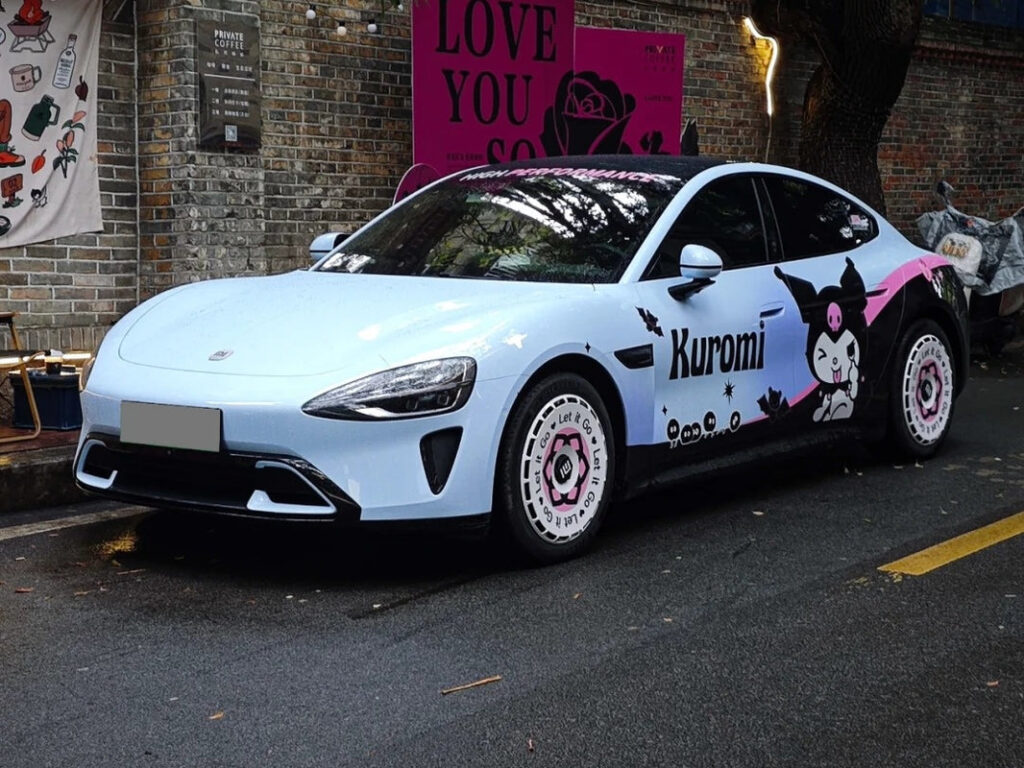
Because hubcaps only cover the center, you cannot dramatically change the look of the wheel with one — you still see most of the alloy. Tesla wheel covers, on the other hand, are the single biggest visual upgrade you can make to the car for under $300. They come in classic turbine patterns, sharp rotor cuts, rainbow halo finishes, and fully custom designs. Browsing the Nauticrim wheel cover collection is a good way to see the range of styles available — from minimalist OEM-replacement to fully personalized artwork. If you want a one-of-a-kind look, the DIY custom wheel cover line lets you upload your own design.
Price, Weight, and Long-Term Cost
- Hubcaps: $15–$60, light (under 200 g), and basically disposable.
- Tesla wheel covers: $150–$300 per set depending on style, around 1–2 kg each, designed to last the life of the car.
- Refinishing curb-rashed alloys: $80–$200 per wheel at a body shop — a single curb touch on a bare Model 3 wheel often pays for a set of covers.
So the math on Tesla wheel cover vs hubcap usually comes out the same way: if you care about protection, range, or styling, the wheel cover wins on total cost of ownership even though the sticker price is higher.
Which One Should You Buy?
Use this quick rule of thumb:
- Buy a Tesla wheel cover if you want aero range gains, real curb and chip protection, or a fresh new look for the car.
- Buy a center hubcap only if you are replacing a lost factory emblem cap on a wheel that already runs a full-face cover — or you simply want to cover the lug nuts.
For most Tesla owners, the wheel cover is the right call. Browse the full Nauticrim shop to compare styles, or jump straight to the Power Turbine wheel cover for a popular OEM-plus look.
Frequently Asked Questions
Is a Tesla wheel cover just a fancy hubcap?
No. A wheel cover is a full-face aero panel that covers most of the alloy and is engineered to manage airflow. A hubcap is a small cosmetic center cap. They serve different purposes even though both are plastic and circular.
Can I put a regular hubcap on a Tesla?
You can physically clip a generic hubcap over the center bore, but it will not seat flush, will not contribute to aero, and may rattle at speed. Tesla-specific wheel covers are designed for the exact rim profile and are the safer, better-fitting choice.
Do Tesla wheel covers really improve range?
Yes. The factory aero cover has been shown to add roughly 3–6% of range compared to a bare alloy at highway speeds. A plain hubcap has no meaningful aerodynamic effect because it does not cover the moving face of the wheel.
Are Tesla wheel covers hard to remove?
They require firm, even pressure to release. With the right plastic pry tool the job takes about five minutes per wheel. Our guide on safely removing Tesla aero wheel covers walks through the exact technique.
Final Verdict
The Tesla wheel cover vs hubcap question is really a question about what you want from your wheels: a small cosmetic cap, or a real aero and protection upgrade. For Model 3, Model Y, and Model S owners who care about range, curb rash, and styling, a proper Tesla-specific wheel cover is the smarter buy almost every time. Pick a style that matches your taste, install it once, and enjoy the cleaner wheels and the extra miles.
You may also like: See the difference yourself: the EVolution and Silver Gear covers are engineered wheel covers, not stamped hubcaps.