
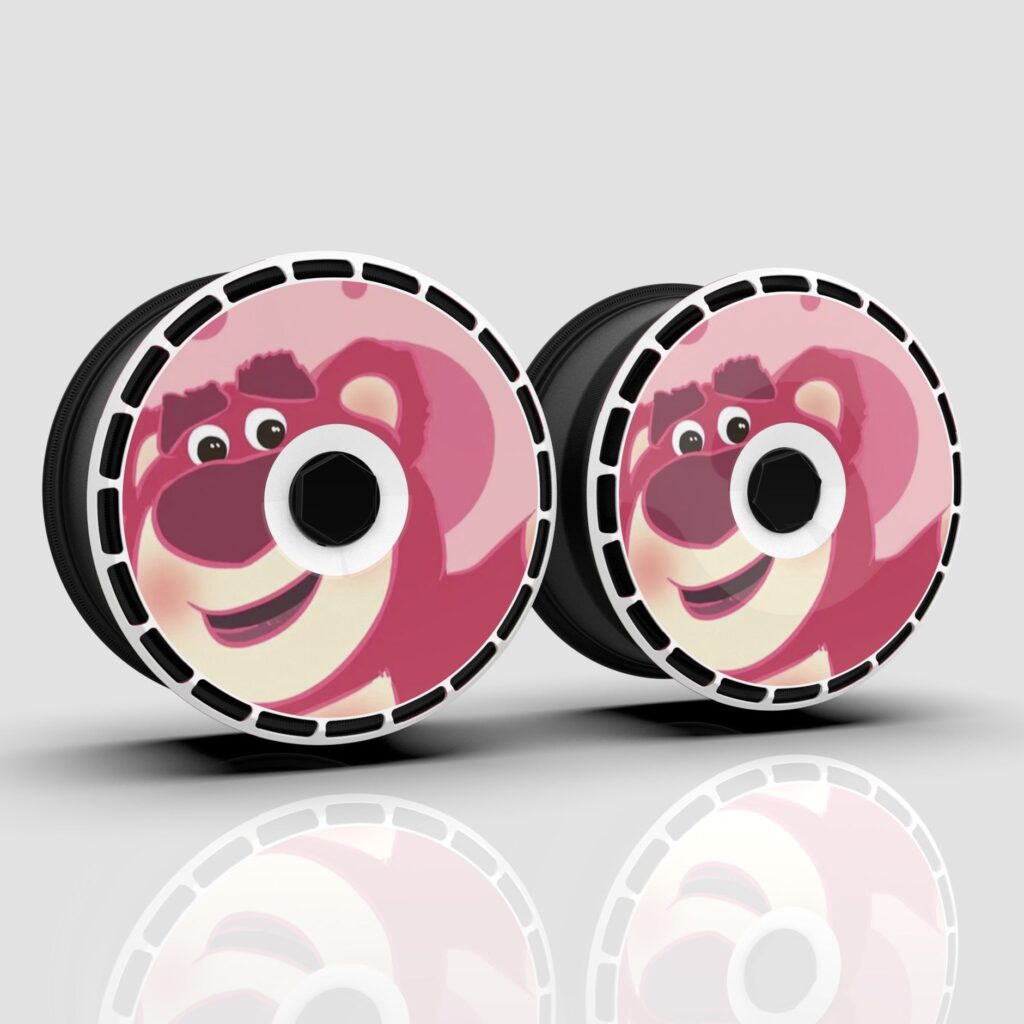
If you have spent any time in a Tesla owners forum, you have seen the same debate play out over and over: do Tesla wheel covers affect range, or are they just for looks? It is a fair question. Wheel covers are bolted to a rotating mass that touches the road, so any change to that surface ought to change how the car behaves. The short answer is yes, Tesla wheel covers do affect range, and the OEM aero covers that ship on every new Model 3 and Model Y are actually doing measurable aerodynamic work. But the size of that effect depends on which covers you run, how you drive, and whether you keep them on or off.
This guide breaks down what Tesla’s aero wheel covers actually do, how much range they really add or cost you, and how aftermarket or custom wheel covers change the picture. By the end, you will have a clear, numbers-based answer instead of forum speculation.
Why Tesla Put Aero Wheel Covers on Every Car
Tesla’s original aero wheel covers are not decoration. They are functional aerodynamic devices designed to reduce turbulence around the wheel well. A bare alloy wheel, especially on a 19-inch or 20-inch rim, creates a chaotic pocket of low-pressure air as it spins. That pocket pulls on the side of the car and acts like a small parasitic brake. The smooth, slightly dished shape of the OEM aero cover fills that pocket in and lets air slide past the wheel more cleanly.
The aerodynamic drag difference between a covered and uncovered Tesla wheel is measurable on a chassis dynamometer and visible in coast-down testing. Tesla uses the aero covers partly to hit its official range numbers, which is why the EPA ratings on Model 3 and Model Y assume the car is wearing the covers that came in the trunk. Remove them, and you are driving a slightly less aerodynamic vehicle than the one that was tested.
How Much Range Do Tesla Aero Wheel Covers Actually Add?
Real-world testing suggests OEM aero wheel covers add roughly 3 to 6 percent of usable range compared with the same car running on bare alloys, with the biggest gains showing up at highway speeds above 60 mph. That works out to somewhere between 8 and 18 miles of additional range on a full Model 3 Long Range battery, depending on wheel size, tire choice, and ambient conditions.
A few numbers worth keeping in mind:
- Model 3 18-inch aero covers: typically the most efficient setup, often the baseline for EPA range.
- Model 3 19-inch sport wheels (no covers): about 5 to 8 percent range reduction versus the 18-inch aero setup.
- Model Y 19-inch Gemini covers: close to OEM aero efficiency, with a small drop versus the 18-inch induction wheel set.
- Aftermarket or custom wheel covers: efficiency depends entirely on how well they mimic the OEM aero shape. Flat, vented, or spoked designs usually cost you some range.
None of these numbers are catastrophic. If you are charging at home and your daily round trip is under 50 miles, you will never notice the difference. If you routinely drive long highway stretches, the difference between OEM aero covers and open alloys is real and repeatable.
Do Aftermarket or Custom Wheel Covers Reduce Range?
This is where most of the confusion comes from. The answer is: it depends on the design. A wheel cover that mimics the OEM aero shape, meaning a smooth outer face with controlled air release at the outer edge, will perform very close to the original. A flat disc, a heavily spoked cover, or a wide open cutout design will usually cost you some of the efficiency the OEM covers gave you.
The reason is turbulence. Spoked and cutout designs look great, but every spoke creates a tiny pressure imbalance, and every gap lets high-pressure air bleed into the wheel well. If you prioritize style, expect to give back 1 to 4 percent of range versus OEM. If you buy a custom set that has been wind-tunnel tested or designed to keep the OEM aerodynamic profile, the penalty can be almost zero.
Two practical checks before you buy any aftermarket set:
- Look for an enclosed or near-enclosed outer face. If you can see the brake rotor or the wheel barrel through the cover at normal viewing distance, expect a range hit.
- Check for directional venting at the outer edge. Quality aftermarket covers route air around the tire instead of trapping it inside the wheel well.
When Removing the Aero Covers Actually Makes Sense
There are good reasons to take the OEM aero covers off, and range is only one variable in that decision. If any of the following applies, you may legitimately be better off without them.
- You upgraded to a larger aftermarket wheel. OEM aero covers only fit their intended wheel size. Once you change the wheel, the covers no longer seal the wheel well properly.
- You want better brake cooling. Open wheels move more air across the brake rotor and pads, which helps on a track day or in mountainous driving with heavy braking.
- You live where salt, slush, and road grime are constant. Removing the covers makes washing the wheels and brake calipers much easier, which can extend component life.
- You simply prefer the look. Range is real, but so is enjoying the car you paid for. A 3 percent range hit is a fair trade for many owners.
The mistake is treating aero covers as either pure cosmetic add-ons or as magic range extenders. They are functional aerodynamic parts, and they earn their place on the car under real conditions.
How to Maximize Range With or Without Wheel Covers
If you want to keep your OEM aero covers and squeeze out every mile, a few habits matter more than the covers themselves.
- Keep tires inflated to spec. Under-inflation costs more range than almost any other factor. Check pressure monthly.
- Drive in Chill mode for daily commutes. Smoother accelerator inputs beat any aero device.
- Use regenerative braking aggressively. Lift the foot early and let the car do the slowing.
- Replace tires with low-rolling-resistance models when the OEM set wears out.
If you switched to custom wheel covers for style, pair them with the habits above and the range penalty becomes a rounding error on most trips.
Frequently Asked Questions
Do Tesla aero wheel covers increase range or decrease it?
They increase range compared with the same car running on bare alloy wheels. The OEM covers reduce turbulence around the wheel well and improve aerodynamic efficiency by roughly 3 to 6 percent in real-world highway testing.
Are Tesla wheel covers worth it for range alone?
If you drive mostly highway miles and want every bit of efficiency, the OEM aero covers are worth keeping on. If you drive short urban trips and prefer the look of open alloys, the range difference will be barely noticeable in daily use.
Do aftermarket Tesla wheel covers hurt range?
Aftermarket covers with a smooth, enclosed design typically perform close to OEM. Covers with open spokes, large cutouts, or visible brake hardware can cost 1 to 4 percent of range versus the OEM aero set, depending on speed and driving style.
Final Thoughts
Tesla wheel covers are not just styling. The OEM aero covers are quiet aerodynamic tools that help your car hit its rated range, especially at highway speed. Custom and aftermarket covers can look great, but the design of the cover determines whether you keep that efficiency or give some of it back. Choose covers that match how you actually drive, fit your wheel size correctly, and feel free to browse our Tesla wheel cover collection for options that balance style with real-world aerodynamic performance. If you are weighing a custom finish, our DIY custom wheel covers line and the popular Power Turbine cover are both designed to preserve the OEM aero profile while giving your car a more personal look.
You may also like: The Retro Aero White and Star covers keep the factory aerodynamic profile while adding a personal touch.