
Tesla wheel covers resale value is a topic most owners never think about until trade-in day — and it can quietly work for or against you. Wheels are one of the first things a buyer or appraiser notices, and pristine rims paired with clean, well-fitted covers signal a car that has been cared for. In this guide, you will learn how wheel covers influence what your Model 3 or Model Y is worth, which mistakes cost you money, and how to prepare your wheels before you sell.
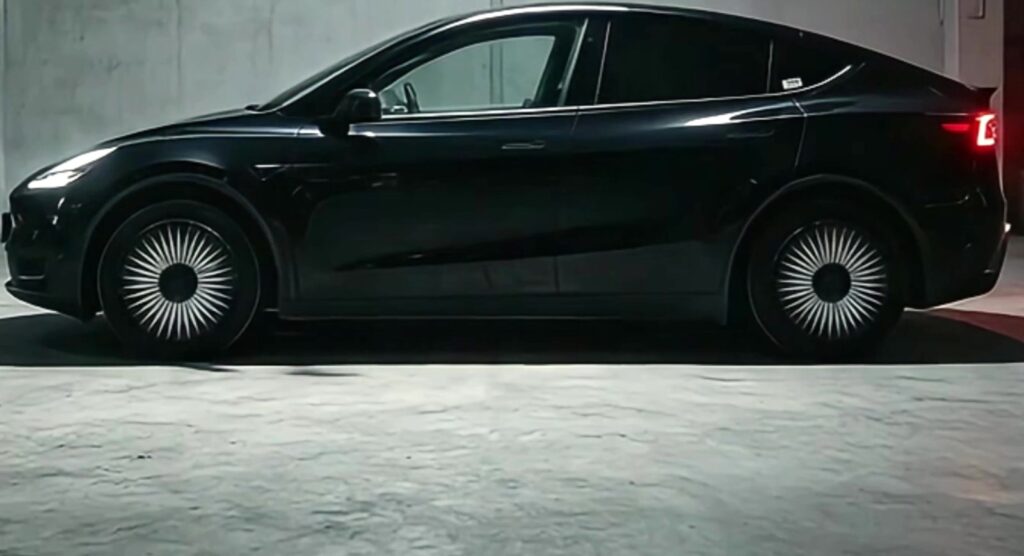
Do Tesla Wheel Covers Affect Resale Value at All?
Indirectly, yes. Appraisers and private buyers rarely add a line item for Tesla wheel covers, but they absolutely judge overall wheel condition. Curbed rims, faded finishes, and missing covers read as neglect, and that perception gets priced into an offer.
Cover-based wheels also behave differently at trade-in. If the covers have been protecting the alloy underneath since day one, you can remove them and reveal factory-perfect rims — which is exactly what buyers of stock Teslas want to see. Well-kept Tesla wheel covers essentially act as insurance for the single most damage-prone part of your car.
Why Wheels Matter So Much to Buyers
Wheels are emotional. A buyer may forgive a stone chip on the hood, but curb rash on a rim makes them wonder what else was neglected. Industry detailers consistently report that wheel and rim condition is one of the fastest trust-builders during a used-car inspection.
- First impression: buyers walk to the car and look down at the wheels before they look at the paint.
- Repair math: buyers mentally deduct $100–$150 per curbed wheel, often more than the actual fix costs.
- Aero credibility: intact covers on a Model 3 or Y show the aero look is preserved, which many buyers prefer.
OEM Aero Covers vs Aftermarket Covers When Selling
If you still have the original aero covers, keep them. Stock appearance widens your buyer pool, and some buyers will specifically ask whether the original covers are included. Storing them safely instead of throwing them away is one of the cheapest resale protections available.
Aftermarket covers are not a penalty as long as the fit and finish are clean. A quality set from the Nauticrim Tesla wheel cover collection looks intentional and well-maintained, while loose, faded, or clip-rattled cheap covers do the opposite. If your aftermarket set is tired, replacing it before listing photos are taken usually pays for itself.
What Hurts Resale Value Most
Based on how appraisers evaluate wheels, these are the value killers to avoid:
- Missing covers — looks unfinished and exposes bare alloys to further damage.
- Deep curb rash on rims — visible even under covers at the wheel edge.
- Faded or chalky finishes — sun-baked covers suggest the whole car was neglected.
- Mismatched styles — one different cover on a corner reads as accident damage.
- Loud graphics or IP designs — fun for you, but shrinks the number of buyers who want the car as-is.
How to Use Wheel Covers to Protect Value
The strategy is simple: cover early, keep them clean, and keep the originals. Install a set of quality covers the week you take delivery, and your alloys stay factory-fresh underneath for years. A consistent care routine — gentle soap washes, avoiding automatic brush washes on the wheels, and checking clips every few months — keeps the covers themselves looking like part of the car, not an add-on.
If you drive in a city with tight parking, the protection case becomes even stronger. Our guide on Tesla wheel covers curb protection explains how a sacrificial cover absorbs the scrapes your rims would otherwise take. Every avoided curb rash repair is roughly $100–$150 of value that never leaves the car.
Before You Sell: A Quick Wheel Checklist
- Wash and dry the wheels thoroughly; brake dust left on covers bakes into the finish.
- Replace any cracked or missing cover so all four corners match.
- Lightly polish or touch up rim edges if the covers have been off recently.
- Decide your story: stock aero covers on, or clean aftermarket set on — either works, mixed does not.
- Take listing photos in even light so the wheels look as good as they do in person.
FAQ: Tesla Wheel Covers and Resale Value
Should I remove my aftermarket covers before selling?
Only if the rims underneath are flawless and the covers are tired. If the covers are clean and fitted well, leave them on — they protect the wheels during test drives and make the car look finished. If they are scratched or faded, remove them, touch up the rims, and consider a fresh set.
Do custom or painted covers lower trade-in offers?
Bold or cartoon-style graphics can limit your buyer pool and lead to lowball offers. Subtle finishes — matte black, gunmetal, or silver — usually have no negative effect. If you have expressive covers, plan to swap them back to neutral or stock style before listing.
Are missing OEM aero covers a dealbreaker?
Not a dealbreaker, but a bargaining chip against you. Buyers know replacements are not free, and they will use the gap to negotiate. Replacing missing covers is almost always cheaper than the discount you would otherwise absorb.
Your wheels are one of the few parts of a Tesla you can refresh for a fraction of repainting cost. Browse the full range of Model 3 and Model Y designs at Nauticrim, fit them this week, and drive into your next appraisal with wheels that protect their own value.