
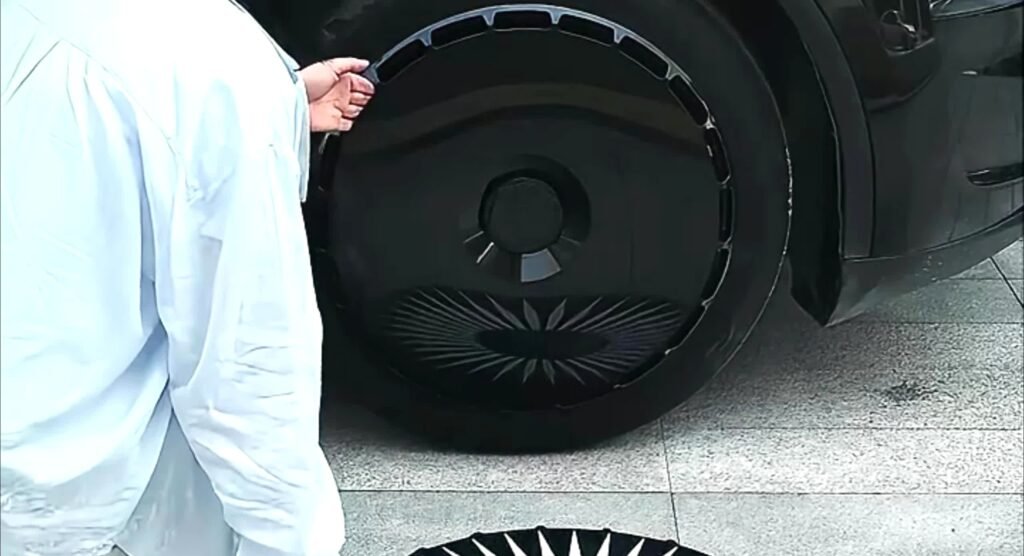
Upgrading to a set of aftermarket wheels is one of the most popular Tesla mods, but it raises an immediate question: can you still run wheel covers on them? The short answer is yes — Tesla wheel covers on aftermarket wheels are absolutely possible, as long as the wheel’s diameter, face profile, and lug pattern line up with the cover you buy. In this guide you’ll learn what actually matters for fitment, which cover types work best on non-OEM wheels, and the mistakes to avoid before you order.
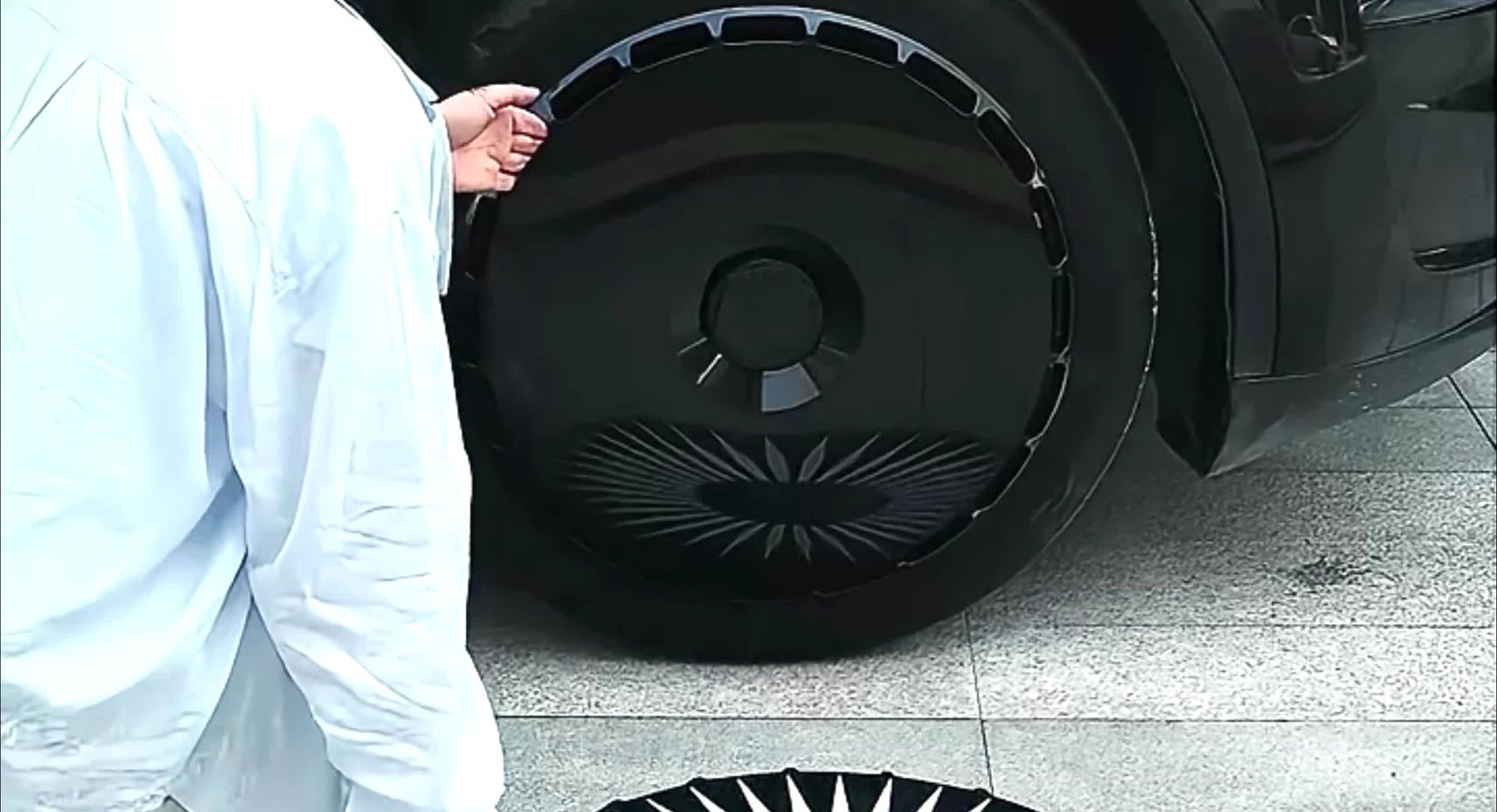
Can You Put Tesla Wheel Covers on Aftermarket Wheels?
Wheel covers don’t attach to the tire — they clip or bolt onto the wheel face itself. That means compatibility is decided by the wheel, not the car. Tesla-specific covers are molded around the geometry of stock wheels (18″, 19″, and 20″ Aero, Photon, and Gemini designs), so they need an aftermarket wheel that mimics that same face shape.
If your aftermarket wheel has a similar diameter and a flat or slightly dished face with room around the lug nuts, a Tesla-style cover can seat securely. If the wheel has deep spokes, an aggressive concave profile, or oversized brake calipers, most snap-on covers won’t clip properly — and forcing them is how covers crack or fly off.
Three Fitment Factors That Decide Compatibility
Before buying, check these three things against the cover’s product page:
- Wheel diameter: The cover must match the wheel size exactly — an 18-inch cover will never fit a 19-inch wheel. Measure yours if you’re unsure, or see our Tesla wheel cover sizes guide.
- Face profile: Snap-on covers use clips at the 5 or 10 spoke-valley positions. Flat, symmetric faces accept clips best; deep-dish or heavily concave faces usually don’t.
- Lug and hub clearance: Aftermarket wheels often use exposed lugs or different center caps. Look for covers designed with a recessed center or that mount with included hardware.
Which Cover Types Work Best on Non-OEM Wheels?
Not all covers behave the same once you leave factory wheels behind. Here’s the honest breakdown:
- Snap-on Tesla-specific covers: Great when your aftermarket wheel mirrors the stock profile (many replicas do). Easiest install, cleanest look.
- Bolt-on universal covers: These use plastic or metal hardware to fasten to any lug pattern. More versatile, slightly more visible hardware.
- Custom-fit covers: If your wheels are truly unusual, a made-to-order set like our DIY custom wheel covers is the safest route to a perfect seat.
For most owners running replica Aero-style or turbine-style aftermarket wheels, a quality Tesla-specific snap-on set fits as intended. That’s exactly what you’ll find in the Nauticrim wheel cover collection.
Common Mistakes When Mixing Covers and Aftermarket Wheels
Avoid these four errors and you’ll save yourself returns, rattles, and mid-drive surprises:
- Guessing the diameter. Aftermarket packages sometimes change wheel size from stock. Confirm the actual mounted size, not what the trim came with.
- Ignoring caliper clearance. Big brake upgrades sit proud of the wheel face; a flush cover will rub. Check depth before ordering.
- Reusing worn OEM clips. Clips relax over time. On a new wheel they’ll seat unevenly — use the clips that come with new covers.
- Skipping a test drive. Install, then drive 5 minutes at low speed, re-check, and only then go highway. This catches 90% of fitment problems.
Do Tesla Wheel Covers Still Help Range on Aftermarket Wheels?
Partially. Aero covers reduce drag around the wheel face, and that benefit carries over to any wheel they properly fit. But aftermarket wheels themselves are often heavier and less aerodynamic than stock, so you’ll typically recover less range than you would with covers on OEM wheels. Think of covers as clawing back a few percent, not erasing the difference. For the full physics, see our article on whether Tesla wheel covers affect range.
There’s also a protection upside: covers shield those expensive aftermarket finishes from curb rash, brake dust, and UV fade — often a bigger deal than the range delta when you’ve invested over a thousand dollars in wheels.
Installation Tips for Aftermarket Setups
Installing covers on non-stock wheels is essentially the same job as stock — align, press (or bolt), and verify — with two additions. First, clean the wheel face thoroughly; aftermarket finishes vary, and dust under the clips causes micro-scratches over time. Second, if your wheels use exposed lug nuts, confirm the cover’s center opening clears them before pressing it fully home.
If anything feels loose during the press-check, stop and compare your wheel’s face against the cover’s compatibility list. A snug, even seat across all clip points is the goal — not just a cover that stayed on in the driveway.
FAQ: Tesla Wheel Covers and Aftermarket Wheels
Will aftermarket covers fit replica Tesla wheels?
Usually yes. Replica wheels are cast from the original designs, so clip positions and diameters match. Test-fit one corner before snapping down the whole set.
Can I use covers on 21-inch aftermarket wheels?
Rarely. Most Tesla covers are made for 18 to 20 inch sizes, and few aftermarket 21-inch faces match the required profile. Custom or universal bolt-on covers are your realistic option.
Do I need different clips for aftermarket wheels?
Not usually — clips grip the wheel face, not the car. But if your wheel’s spoke valleys are shallower or wider than stock, a universal bolt-on set will hold more securely than stretched clips.
Ready to Cover Your New Wheels?
Tesla wheel covers on aftermarket wheels come down to three checks: diameter, face profile, and clearance. Get those right and you keep the aero benefit, protect your investment, and sharpen the look at the same time. Browse the full range of Tesla-specific and custom options at Nauticrim — and if your wheels are one-of-a-kind, our custom covers team will make them fit.