
If you have ever run your finger across a glossy black Tesla wheel cover and found a dull, dark film, you have already met brake dust. That fine grit is not just dirt. It is a mix of brake pad material, metal shavings, and road grime that bakes onto the wheel surface every time you stop. For Tesla owners, tesla wheel cover brake dust is especially annoying because the flat, smooth face of a wheel cover shows every speck. The good news is that a simple cleaning routine and the right cover finish can keep your wheels looking new for years.
What Is Brake Dust and Why Does It Stick?
Brake dust forms when the friction material on your brake pads wears down during braking. Tiny particles of carbon, ceramic, and metal float onto the wheel and rim, then bond with heat, moisture, and road film. On a hot summer day or during stop-and-go city driving, this layer can become almost baked on within a week.
Tesla vehicles use regenerative braking, which means the brake pads are used less than in a gas car. Even so, every hard stop still produces dust. The difference is that the dust may collect more slowly, but once it does, it is just as stubborn. High-performance pads and dusty semi-metallic compounds produce even more.
Why Tesla Wheel Cover Brake Dust Is So Visible
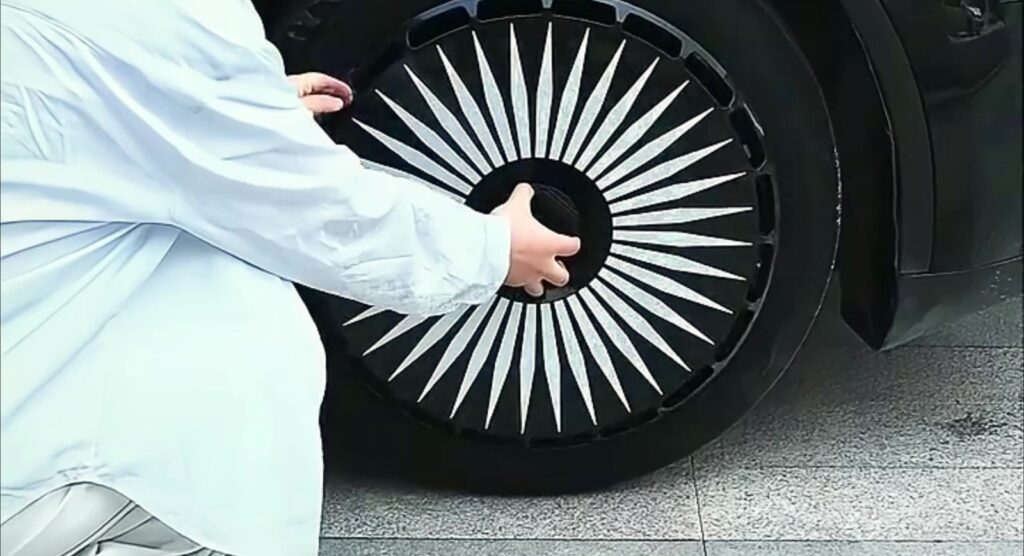
Aftermarket Tesla wheel covers are designed to sit flat against the wheel, creating a large, smooth canvas. That is great for aerodynamics and style, but it also means there are no spokes or deep pockets to hide the grime. A matte black or gloss black cover turns grey within days in wet climates.
Another reason is airflow. Wheel covers can trap heat and slow water evaporation behind the cover, giving brake dust more time to bond. In contrast, an open alloy wheel lets rain and air wash some of the dust away naturally. This is why many owners notice that tesla wheel cover brake dust seems worse than the dust on their old alloy wheels.
How to Clean Tesla Wheel Cover Brake Dust Safely
Cleaning brake dust is not difficult, but the wrong products can scratch the finish. Follow these steps once every one to two weeks, or sooner if you drive in rain or heavy traffic.
- Rinse first. Spray the wheel covers with clean water to remove loose dirt. Never wipe a dry cover, because grit will scratch the surface.
- Use a pH-neutral wheel cleaner. Acidic cleaners strip protective coatings and can dull gloss finishes. Spray the cleaner and let it dwell for two to three minutes.
- Agitate gently. Use a soft wheel brush or microfiber mitt. Reach behind the cover if the design allows, or remove the cover for a deep clean.
- Rinse and dry. Flush away all cleaner residue, then dry with a clean microfiber towel. Water spots are harder to remove from dark covers than from silver ones.
- Protect with sealant. A spray wheel sealant or ceramic coating makes future brake dust wipe off easily. Reapply every six to eight weeks.
If the dust has already bonded, a dedicated iron remover will dissolve the metal particles safely. Always test any new product on a small hidden area first. For a complete care routine, see our guide on how to clean Tesla wheel covers.
Can Wheel Covers Actually Reduce Brake Dust?
Wheel covers do not stop brake dust from forming, but they can change where the dust lands and how easy it is to clean. A well-fitted cover shields the alloy rim behind it, so the rim itself stays cleaner. The dust collects on the cover instead, which is much easier to wipe down than a complex spoke design.
Some finishes hide dust better than others. Satin, textured, or dark metallic covers hide light dust longer than glossy black ones. If you live in a wet or urban area and hate constant cleaning, choosing the right finish can make your weekly wash far less frustrating. Browse options in our Tesla wheel cover shop to find a style that fits your climate and taste.
Frequently Asked Questions
Do dark Tesla wheel covers show more brake dust?
Yes. Gloss black and matte black covers show brake dust, water spots, and pollen more clearly than silver or satin finishes. If you prefer a low-maintenance look, consider a darker metallic or textured finish that breaks up the dust pattern.
How often should I clean brake dust off wheel covers?
Most owners should clean their covers every one to two weeks. In winter, when road salt mixes with brake dust, weekly cleaning is better. Salt and grit can etch the finish if left too long. Check our winter care guide for cold-weather tips.
Can brake dust damage my wheel covers?
Brake dust itself is abrasive, but it will not damage a quality cover if you wash it regularly. The real risk is letting dust sit for weeks, then scrubbing aggressively. That grinding action can leave micro-scratches. A gentle, frequent routine is always safer than a rare deep scrub.
Keep Your Covers Looking New
Tesla wheel cover brake dust is a normal part of driving, but it does not have to ruin your car’s look. Rinse often, use pH-neutral products, and add a protective sealant to make maintenance easy. If your current covers are scratched, stained, or simply the wrong finish for your driving habits, upgrading to a fresh set is a fast way to restore that showroom shine. Visit Nauticrim today and explore Tesla-specific wheel covers built for real-world driving.