
Do Tesla wheel covers affect TPMS readings? It is one of the most common questions owners ask before installing aftermarket covers. The short answer is: quality wheel covers do not interfere with Tesla’s Tire Pressure Monitoring System (TPMS), but cheap or poorly fitted covers can cause indirect issues. In this guide, we explain how TPMS works on Model 3 and Model Y, why wheel covers rarely cause problems, and what to watch for when upgrading your rims.
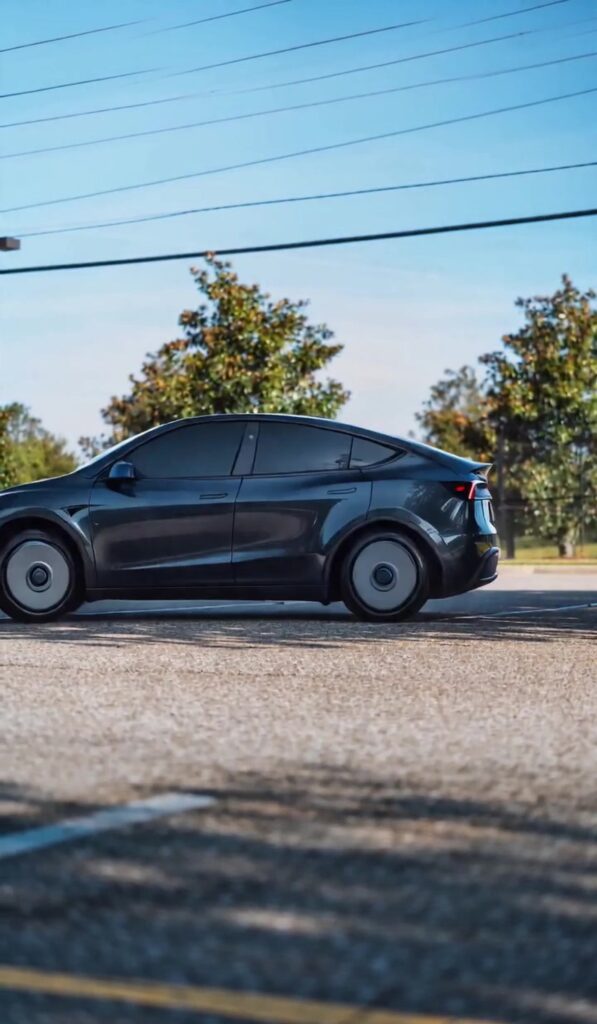
How Tesla TPMS Works
Tesla vehicles use a direct TPMS with small sensors mounted inside each tire. These sensors measure air pressure and temperature, then send data wirelessly to the car’s computer. Because the sensors sit on the wheel rim inside the tire, they are completely shielded from the outside world. This means a wheel cover mounted on the outer face of the rim does not block the sensor signal.
However, Tesla’s system is sensitive to wheel rotation speed. If a cover adds significant weight or changes the wheel’s balance, the car may detect inconsistent rotation data. In rare cases, this can trigger a false TPMS warning or affect regenerative braking calibration.
Do Tesla Wheel Covers Affect TPMS Accuracy?
For most owners, the answer is no. Here is why:
- Signal path is internal: TPMS sensors transmit from inside the tire, so the cover sits outside the signal path.
- No metal shielding: Unlike steel wheels, plastic or aluminum wheel covers do not create a Faraday cage that blocks radio signals.
- Factory-tested designs: Reputable aftermarket covers are tested for compatibility with direct TPMS systems.
That said, problems can appear if the cover is too heavy, installed unevenly, or presses against the tire sidewall. Extra mass can throw off wheel balance, which the car may interpret as a pressure anomaly.
When Wheel Covers Can Trigger TPMS Warnings
Although rare, these scenarios can cause your TPMS light to come on after installing wheel covers:
- Improper fitment: A loose cover wobbles at speed, creating vibration the system reads as irregular tire behavior.
- Excessive weight: Heavy metal covers increase unsprung mass and can alter rotation harmonics.
- Cover contact with the valve stem: If the cover design overlaps the valve area, it may press on the stem and cause a slow leak.
- Coincidental sensor battery failure: TPMS sensor batteries last 5-7 years. If a warning appears right after a cover install, owners often blame the cover when the battery was simply due.
How to Install Wheel Covers Without TPMS Issues
Follow these steps to keep your TPMS happy after upgrading to aftermarket covers:
- Choose lightweight covers: ABS or thin aluminum designs add minimal weight and maintain factory balance.
- Check valve stem clearance: Ensure the cover cutout leaves the valve stem completely free.
- Seat clips evenly: Press each clip until it clicks. Uneven seating causes wobble and vibration.
- Drive 10-15 minutes: Let the car recalibrate wheel speed data at normal road speeds.
- Verify tire pressure: Use the Tesla app or center screen to confirm all four tires read normally.
What If the TPMS Light Stays On?
If your TPMS warning persists after installing wheel covers, try this troubleshooting sequence:
- Remove the covers and check if the warning clears. If it does, the covers are likely the trigger.
- Inspect the valve stems for damage or slow leaks caused by cover contact.
- Check actual tire pressure with a manual gauge. Cold weather can drop pressure 1 PSI per 10°F.
- Schedule a tire shop visit to scan TPMS sensor battery levels and rebalance wheels if needed.
FAQ: Tesla Wheel Covers and TPMS
Can aftermarket wheel covers block the TPMS signal?
No. Tesla uses direct TPMS sensors inside the tire, so the signal travels through the tire sidewall and rim, not the outer cover. Plastic and aluminum covers do not block radio frequencies at the 315/433 MHz bands used by TPMS.
Should I reprogram TPMS after installing wheel covers?
Generally no. Reprogramming is only needed when you replace the actual wheel or TPMS sensor. Swapping the cosmetic cover on the outside does not change sensor IDs or positions.
Do heavier wheel covers cause false low-pressure warnings?
Indirectly, yes. If a heavy cover creates a wheel imbalance, the car may detect uneven rotation and flag a tire-related warning. The fix is usually rebalancing the wheel or switching to a lighter cover set.
Conclusion
Do Tesla wheel covers affect TPMS? In the vast majority of cases, they do not. Quality covers designed for Tesla fitment leave sensors untouched and signals unblocked. The key is choosing well-made, lightweight covers and installing them correctly. If you want peace of mind, browse our Tesla-specific wheel cover collection at Nauticrim — every set is tested for TPMS compatibility, proper clip retention, and factory-balanced weight.