
Returning a leased Tesla should be a happy occasion, not a bill full of deductions. Yet wheel damage is one of the most common lease return charges, and a single gouged rim can cost $150 or more per wheel. That is why tesla wheel covers for lease return planning has become a smart move for thousands of Model 3 and Model Y drivers.
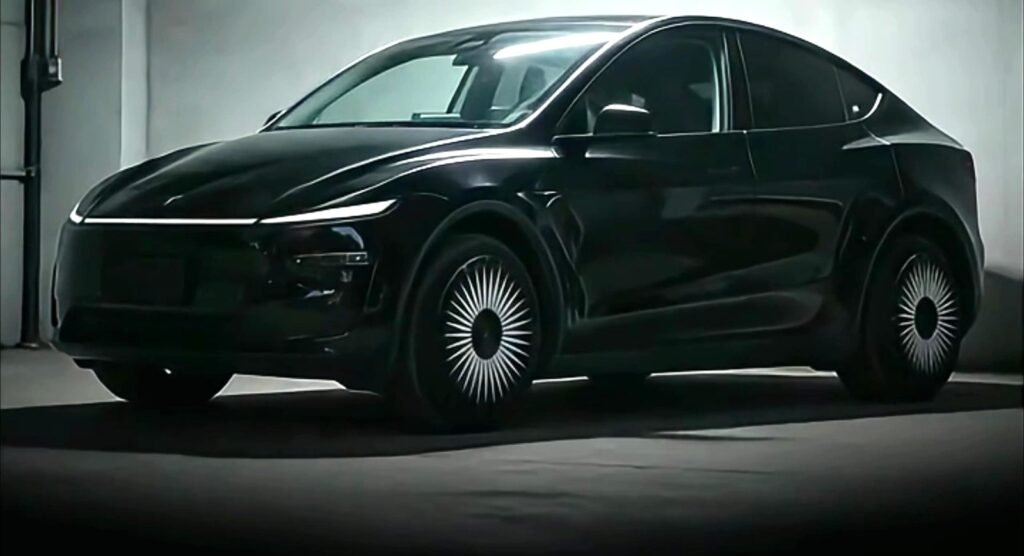
Quality wheel covers act as a sacrificial barrier. They take the curb rash so your alloys underneath stay flawless, and at turn-in you simply pop them off. In this guide you will learn how covers protect your deposit, what inspectors actually look for, and how to pick a set that fits your lease timeline.
Why Lease Inspectors Charge for Wheel Damage
When your lease ends, a third-party inspection company walks around the car with a checklist. Wheels get close attention because they are easy to assess and expensive to repair. Typical chargeable issues include:
- Curb rash – scrapes along the rim edge, the most common deduction
- Paint chips and peeling from brake dust, salt, or harsh chemicals
- Bent or cracked barrels from pothole impacts
- Missing center caps or original aero inserts
Most lease agreements follow normal wear-and-tear guidelines, but scuffed wheels are rarely forgiven. Damage deeper than a light polish usually triggers a reconditioning fee, and mobile rim repair is not cheap.
How Tesla Wheel Covers Protect Your Deposit
Wheel covers snap directly over your factory wheels, so any contact with a curb hits the cover first. A scraped $40 cover is a trivial loss compared with a $150-$300 rim repair charge on your lease-end statement. This is exactly why tesla wheel covers for lease return use make so much financial sense.
Covers also shield the finish from brake dust buildup, UV fading, and winter road salt – the slow damage inspectors flag as excessive wear. When you return the car, remove the covers and the wheels underneath look close to delivery-day condition.
Real Cost Comparison
Consider a two-year Model 3 lease with four mildly scraped corners. Rim repair runs roughly $600-$900 in total deductions. A set of fitted wheel covers costs a fraction of that, and you can keep or resell them after turn-in. The math almost always favors protection.
Choosing the Right Covers Before Your Lease Ends
Not every cover is lease-friendly. Keep these criteria in mind when shopping:
- Exact fitment – confirm your model and wheel size (18, 19, or 20 inch) before ordering
- Full coverage – the cover should shield the rim edge, where curb rash happens
- Secure clips – covers that stay put at highway speeds and survive daily removal
- Removable design – you must be able to take them off cleanly at turn-in
Avoid glued-on vinyl wraps or stick-on protectors on a leased car. Residue and adhesive marks can themselves trigger deductions, which defeats the purpose.
Installation and Removal: A Five-Minute Job
Most aftermarket covers use the same push-on clip system as Tesla factory aero covers. Align the valve stem notch, press firmly around the edge, and the clips seat over the wheel. No tools, no drilling, and no permanent modification – important because lease terms forbid altering the vehicle.
To remove before inspection, pull evenly at several points rather than yanking one corner. If you still have the original aero covers, store both sets and reinstall the factory covers at turn-in so the car looks stock.
Timing: When to Install Covers on a Lease
The best day to start protecting a leased Tesla is day one. Curb rash accumulates slowly, and by the time you notice it, the alloy is already marked. If your lease ends within months, installing covers now still stops fresh damage – just inspect the bare wheels first and consider polishing out any existing light scuffs before the inspection.
Winter is another reason to install early. Snow, slush, and magnesium chloride soup from treated roads eat wheel finishes for months at a time. Covers you can hose off in the driveway keep that grime off the alloys, which matters even more if your lease turns in during spring inspection season.
Drivers near the end of a lease should also schedule a pre-inspection walkaround. Knowing your weak spots lets you fix small issues cheaply instead of paying the leasing company premium rates.
Frequently Asked Questions
Will wheel covers count as a modification on my lease?
No. Covers clip over the wheel exactly like Tesla factory aero covers and leave no permanent change. Remove them at turn-in and the wheels are original condition. Keep the receipt in case the inspector asks.
Can I use wheel covers just for the final month of a lease?
You can, and it still helps, but they cannot hide damage that already exists. For best results, install them early in the lease so the alloys underneath never get marked in the first place.
Do covers affect range or sensor readings?
Smooth-faced covers are aerodynamic and typically improve efficiency slightly. TPMS sensors sit inside the wheel and are unaffected. Just make sure the covers you buy are designed for your specific wheel size.
Protect Your Wheels and Your Wallet
Lease return fees are avoidable with a little planning. A quality set of Tesla wheel covers costs less than a single rim repair and takes five minutes to install. Browse the full collection of Tesla wheel covers at Nauticrim – from stealth black to custom designs – and drive your entire lease term without fearing the curb.
Want more detail first? Read our guide on how Tesla wheel covers stop curb damage, or see the Power Turbine wheel cover for a popular lease-friendly option.