
Parking your Tesla for a few weeks sounds harmless, but wheels are the part that suffers most from long idle time. If you are storing a Tesla long term, the combination of a stationary tire contact patch, UV light, and trapped moisture can quietly damage your covers and finish the rims underneath. The good news: a few simple steps before you park will keep a Tesla wheel covers long-term storage job from turning into an expensive replacement bill.
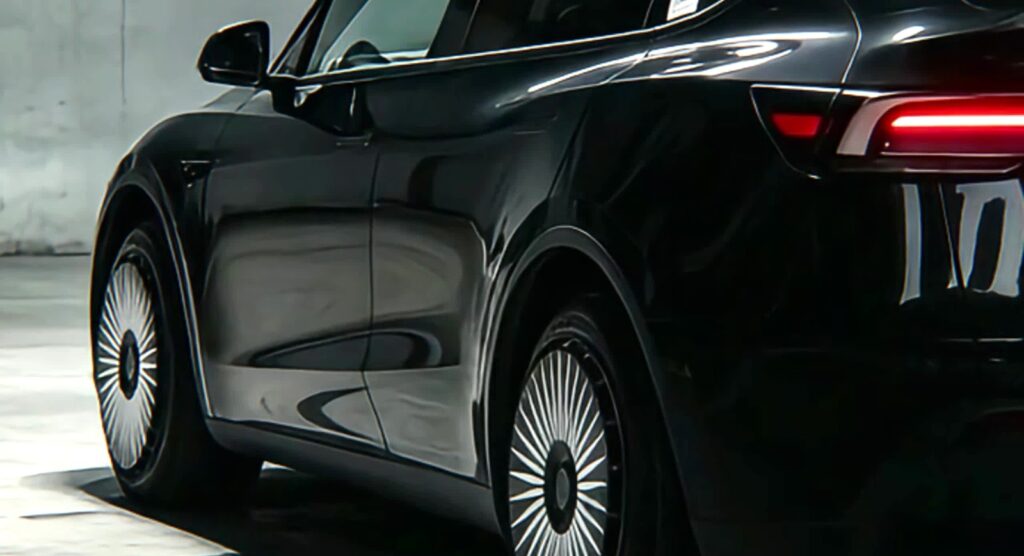
This guide covers what actually happens to wheel covers during long-term storage, how to prep them, where and how to park, and what to check when you return. Every tip is practical and takes less than an afternoon to set up.
Why Long-Term Storage Is Hard on Tesla Wheel Covers
Tesla wheel covers are usually ABS plastic with a painted or gloss finish. They are tough in normal driving, but storage creates a different set of problems. Nothing moves, so nothing dries out, and nothing gets washed.
Three things drive most of the damage:
- Constant load on one point. A parked car sits on the same tire patch for weeks, and the sidewall flexes the same way the whole time. The cover itself takes vibration and stress at the same clip positions.
- UV exposure. Plastic that bakes in the sun for a month loses gloss and can chalk. Dark covers show this fastest.
- Moisture and dirt. Grit trapped behind a cover holds water against the rim. Left long enough, that becomes staining or corrosion on the wheel underneath.
None of this happens overnight. It happens because storage removes every chance for the parts to dry and reset.
Pre-Storage Checklist for Tesla Wheel Covers
Spend one hour before you park, and you skip most of the recovery work later.
1. Wash and Fully Dry the Wheels
Clean the covers and rims with a pH-neutral car soap and a soft brush. Skip acidic wheel cleaners, which can dull clear coats and painted finishes. Rinse thoroughly, then dry with a microfiber towel, including the gap between the cover edge and the rim lip.
Do not park a wet car. Water trapped behind the covers is exactly what you want to avoid for a month. If you can, take a short drive afterward to blow out residual moisture and warm the brakes.
2. Inspect Clips and Seating
Press each cover firmly around its perimeter and listen for the click. A loose cover can work itself free while parked, especially if someone brushes against the car. Cracked or whitened clips are a signal to replace that cover before storage, not after.
3. Protect the Finish
A coat of spray sealant or a wipe-down with a synthetic wax adds a sacrificial layer that resists dust bonding and UV fade. This matters most for gloss black and machined finishes, which show water spots and dulling sooner than matte ones.
Tire Pressure and Load: The Part Owners Forget
Long-term storage is hard on tires well before it is hard on the covers. Tires naturally lose about 1 psi per month, and a soft tire flattens more at the contact patch.
- Inflate to the upper end of the door-jamb recommendation, not above it.
- Check pressure on the day you park, not a week before.
- If storage will exceed two months, move the car a few feet every few weeks so the tires rest on a different spot.
Flat-spotting is usually temporary, but a tire that sits half-deflated for a season can develop a permanent set. If you cannot move the car, over-inflating slightly and parking on a smooth, dry surface is the next best option.
How to Store Tesla Wheel Covers If You Remove Them
Some owners pull the covers off for the season, especially when switching between summer and winter setups. If that is your plan, treat the covers as parts, not as scrap.
Clean Before You Store, Not After
Brake dust and road film harden over months. Wash, dry, and seal each cover before it goes into storage. Label the covers by position so a scuffed front-left does not end up on the rear.
Stack Them Properly
Face-to-face stacking with a microfiber cloth between each cover prevents scratches. Stand them upright if you have room, which keeps weight off the center. Avoid hanging covers by a single clip, since that loads one tab for months.
Keep Them Out of Sunlight and Freezing Cycles
Store covers indoors, off concrete, in a dry space that stays above freezing. A garage shelf is ideal. A shed floor is not, because condensation forms under the cover and stays there.
For a deeper walkthrough on removal and seasonal handling, see our guide on how to store Tesla wheel covers.
Where to Park and How to Cover the Car
Location matters as much as preparation.
- Indoor beats outdoor. A garage keeps UV, rain, and bird droppings off the finish.
- Concrete or sealed asphalt beats gravel. Gravel holds moisture and dust that works into every gap.
- Use a breathable car cover. A cheap non-breathable tarp traps humidity underneath and does more harm than good.
If the car stays outside, park with the wheels out of standing water and away from sprinkler overspray. Hard water spots etch into gloss finishes and are much harder to remove than dirt.
What to Check When You Return
Before you drive off, do a five-minute inspection.
- Check tire pressure and inflate to spec. Cold storage lowers pressure further.
- Press every cover around its edge and confirm it is seated. Storage vibration and temperature swings can loosen a clip.
- Look for flat spots on the tire tread. A short warm-up drive usually smooths minor ones out.
- Wash the wheels before judging the finish. Dust and pollen look like damage until they are rinsed off.
If a cover cracked or went missing during storage, a single replacement is usually cheaper than a full set. Our Tesla wheel cover replacement guide covers sizing and matching the remaining three.
Should You Remove Covers for Long-Term Storage?
In most cases, no. A properly seated cover protects the rim from dust, moisture, and accidental curb contact, and it holds its shape fine when parked. Removing them only helps if you plan to store the covers somewhere climate-controlled and want to inspect the rims directly.
What actually matters is preparation: clean wheels, dry surfaces, correct pressure, and a covered car. Do those four things and your covers will look the same when you return as they did the day you parked.
FAQ
Can Tesla wheel covers warp or crack while the car is parked?
They can, but usually because of heat and direct sun rather than the parking itself. Covers in constant UV exposure on hot pavement are the ones that fade, chalk, or distort. Shade or a car cover removes most of that risk.
How often should I start or move a Tesla in long-term storage?
Moving the car a few feet every two to four weeks helps tires and covers both. If that is not possible, keep the battery at a healthy state of charge, inflate tires properly, and do a full inspection before driving again.
Do I need to take the covers off to clean under them before storage?
If the wheels have been driven in winter salt or heavy brake dust, yes. Pop them off, clean the rim face, dry thoroughly, and reseat. For a normal season of driving, a good wash with the covers on is enough.
Ready for the Next Season?
A set of covers that fits correctly is far easier to store, clean, and reseat than one that never quite clicked into place. When you are due for a refresh, browse the full Nauticrim collection for Tesla-specific wheel covers in ABS, turbine, and custom designs built for daily use and long idle seasons alike.