
Summer sun can be brutal on your Tesla’s wheels. If you run tesla wheel covers in summer, you already know how quickly a parked car turns into an oven. High temperatures, UV rays, and hot asphalt do not just make cabin cooling harder — they also stress the plastic, paint, and clips that hold your wheel covers in place. This guide explains how hot weather affects Tesla wheel covers, what warning signs to watch for, and the simple steps that keep them looking factory-fresh through the hottest months.
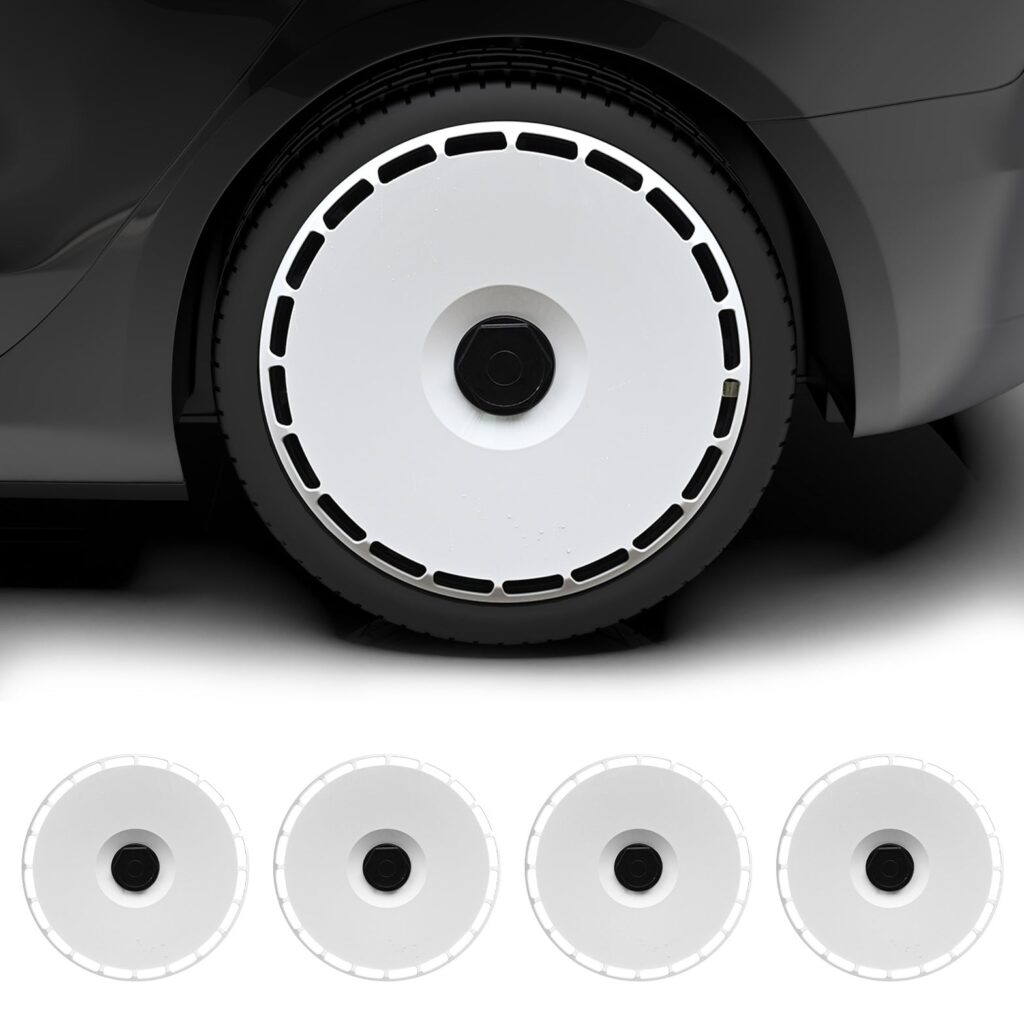
Why Tesla Wheel Covers in Summer Need Extra Attention
Unlike winter road salt, summer damage is slower and less obvious. UV light breaks down surface coatings over time, while repeated heat cycles can soften clips and weaken retention tabs. Dark-colored covers absorb more infrared radiation than silver or white finishes, which accelerates fading and can make the material more brittle after months of exposure.
Another overlooked factor is brake heat. After a long downhill stretch or spirited driving on a warm day, brake rotors can transfer radiant heat directly to the wheel cover. A quality cover designed with ventilation slots handles this better than a solid aftermarket disc that traps warm air against the hub. If you want covers engineered for real-world temperatures, browse our full collection at the Nauticrim shop.
Common Summer Problems and How to Spot Them
Heat and sunlight attack wheel covers in different ways. Catching these issues early prevents a small cosmetic flaw from becoming a loose cover on the highway.
- Faded or chalky finish — UV exposure oxidizes the top layer, leaving a dull, gray haze that washing alone will not restore.
- Loose or rattling cover — heat softens plastic clips, so the cover no longer snaps tightly over the rim.
- Surface cracks — rapid temperature swings between hot pavement and cool shade stress the material.
- Discolored adhesive — custom vinyl or wrap-style covers can yellow or peel when glue degrades in direct sun.
- Stiff removal — overheated plastic can warp onto the rim, making the cover harder to take off when you need to clean behind it.
If you notice any of these signs, it is usually smarter to replace the cover than to try repairing a heat-damaged shell. See our Tesla wheel cover material comparison to pick a heat-resistant option that matches your climate.
Best Colors and Materials for Hot Climates
Color choice matters more than most owners realize. White, silver, and light gray covers reflect more solar energy than black or dark carbon-look finishes. If you live in Arizona, Texas, Florida, Nevada, or Southern California, choosing a lighter finish for your tesla wheel covers in summer can reduce surface temperature and slow UV degradation.
Material is equally important. ABS is the most common and cost-effective choice, but not all ABS is equal. Look for high-grade ABS with UV stabilizers and heat-resistant additives. These formulations are designed to keep their shape after years of sun exposure. Aluminum and carbon fiber look premium, yet they can become extremely hot to the touch and may radiate more heat toward the tire sidewall. For most daily drivers, a quality UV-stabilized ABS cover offers the best balance of weight, durability, and price.
How Heat Affects Range and Tire Pressure
Wheel covers are not just cosmetic — they influence airflow around the wheel. Well-designed tesla wheel covers in summer maintain the smooth aerodynamic profile that helps efficiency, even when tire pressure rises with temperature. Hot pavement raises tire pressure naturally, so always check your PSI before long summer drives. A cover that blocks some brake dust also keeps rims cleaner, which indirectly reduces the heat absorbed by dark grime.
If range is your main concern, avoid heavy solid covers that add unsprung weight. Lightweight ABS options preserve the aero benefits without the thermal mass of metal. You can read more about efficiency in our article on whether Tesla wheel covers affect range.
How to Clean and Protect Tesla Wheel Covers in Summer
A simple maintenance routine goes a long way when the mercury climbs. Follow these steps to extend the life of your covers:
- Wash when cool — never spray cold water on covers that have been baking in direct sun; thermal shock can cause micro-cracks.
- Use pH-neutral cleaner — harsh chemicals strip protective coatings and make the surface more vulnerable to UV.
- Dry completely — trapped water spots can etch the finish under magnified sunlight.
- Apply a UV protectant — a spray sealant made for automotive plastics adds a sacrificial barrier against sun damage.
- Check clips monthly — warm plastic expands and contracts, so retention tabs can loosen over time.
- Park in shade when possible — even a light-colored cover lasts longer when it is not sitting under direct UV for eight hours a day.
For a deeper seasonal care routine, read our companion guide on Tesla wheel covers in winter.
FAQ: Summer Wheel Cover Questions
Do Tesla wheel covers melt in extreme heat?
Quality ABS covers start to deform around 85–100 °C (185–212 °F), which is well above normal road temperatures. However, cheap non-UV blends can sag or warp on scorching asphalt. If you park in a hot climate for long stretches, choose a heat-rated cover and use shade whenever possible.
Should I remove wheel covers before a long summer road trip?
Not necessarily. A properly fitted cover actually shields the rim from brake dust and road debris. Just inspect the clips before you leave, avoid parking on super-heated asphalt for hours, and give the wheels a cool-down before washing.
Are black Tesla wheel covers bad for hot climates?
Black covers absorb more heat than lighter finishes, so they tend to fade faster and feel hotter to the touch. They will not melt under normal conditions, but if you live in a desert climate, a silver, white, or gray cover is the longer-lasting choice.
Keep Your Tesla Wheel Covers Looking New
Running tesla wheel covers in summer is easy when you understand heat, UV, and material limits. Choose light colors when possible, wash during cooler parts of the day, and inspect clips regularly. A few minutes of care each month will keep your wheels sharp and protect your investment.
Ready to upgrade or replace your summer set? Visit the Nauticrim shop for Tesla wheel covers built for real-world weather — from blazing summers to snowy winters.