
If you are shopping for a set of aftermarket wheel covers, one question probably sits at the back of your mind: are Tesla wheel covers safe at highway speeds? It is a fair concern. Anything attached to a wheel spinning hundreds of times per minute needs to stay put and not interfere with braking, balancing, or handling.
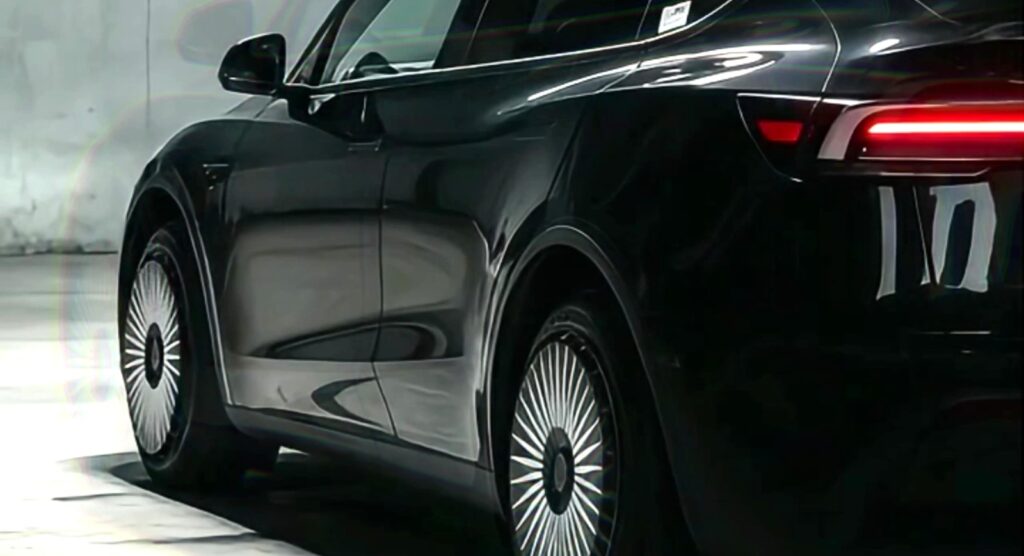
The short answer: yes, properly fitted Tesla wheel covers are safe at highway speeds. Tesla itself ships every Model 3 and Model Y with factory aero covers designed for exactly that use. Aftermarket covers from reputable brands are engineered to the same standard. Problems only appear when covers are badly fitted, worn out, or made from flimsy materials — and those issues are easy to spot and fix.
In this guide, we break down what actually keeps a wheel cover secure at speed, the warning signs to check before a long trip, and how to pick a set you can trust. If you are ready to upgrade, browse the full Nauticrim collection of Tesla-specific covers built for daily driving and long-distance cruising alike.
Why Are Tesla Wheel Covers Safe at Highway Speeds?
Factory aero covers are designed by Tesla’s engineers to survive the full speed range of the car, including sustained autobahn-style driving. They attach to the wheel using multiple retention points, usually hub-centric clips or quarter-turn fasteners that lock the cover against the rim face.
Three design features keep them in place:
- Hub-centric mounting — the cover centers on the hub, not loose lug bolts, so it cannot wobble as the wheel rotates.
- Even clamping pressure — clips around the circumference distribute force so the cover resists vibration and lift.
- Lightweight materials — ABS or similar plastics keep rotating mass low, which matters for both safety and wheel balance.
Because the covers weigh very little, even in the unlikely event one detaches, it will not destabilize the car the way a loose wheel would. The bigger risk is to other road users, which is exactly why checking fitment matters — more on that below.
What Could Go Wrong at Speed — and How to Prevent It
Serious problems with Tesla wheel covers at highway speeds are rare, but they trace back to a handful of preventable causes:
- Loose or worn clips. Clips that no longer grip tightly let the cover rattle and eventually release. Replace worn clips before they fail on the road.
- Incorrect installation. A cover pushed on at an angle, or not fully seated, can pop off under aerodynamic load. Always confirm it clicks in evenly around the full edge.
- Trapped debris. Dirt or gravel between the cover and rim creates vibration and uneven seating. Clean both surfaces at installation.
- Ultralight universal covers. Cheap one-size covers that “sort of fit” are the most common failure case. Model-specific covers like the Power Turbine Wheel Cover for Tesla are molded to exact rim dimensions.
We covered the mechanics of retention in depth in our guide to why Tesla wheel covers fall off — it pairs well with this article if you want the full picture.
Do Wheel Covers Affect Handling or Braking at Speed?
No. A well-fitted cover is aerodynamically neutral-to-positive and does not reduce brake cooling in any meaningful way for street driving. Tesla’s own aero covers are part of the factory setup precisely because they improve efficiency without compromising braking performance.
Brake components on a Tesla do most of their cooling through internal airflow and the open areas Tesla engineered around the wheel. If you live in a mountainous area and regularly descend long grades, you may notice brake rotors heat up — but that is true with or without covers. For typical highway use, a quality cover changes nothing about how the car stops or steers.
Pre-Trip Checklist: 60 Seconds of Peace of Mind
Before any long highway drive, give each wheel a quick inspection:
- Tug test: grab each cover at opposite edges and pull firmly. It should not shift or lift.
- Visual check: look for an even gap all the way around — uneven gaps mean poor seating.
- Noise check: any rattle on a test drive means a clip needs attention before you go further.
- Post-tire-shop check: if anyone has touched your wheels recently, re-seat every cover yourself.
This tiny routine eliminates virtually every road failure we see reported by owners.
How Fast Is Too Fast for Tesla Wheel Covers?
Quality model-specific covers are rated for the car’s full speed capability. That said, common sense applies: if you routinely drive above 130 mph on a track or closed course, aftermarket decorative covers are not track equipment, and neither are most factory aero covers. For legal highway speeds anywhere in the world, a properly installed set is a non-issue.
Heat is worth a passing mention too. Sustained high-speed driving in very hot climates can soften cheap, thin ABS covers over time. Covers with UV-stabilized, thicker material — like everything in the Nauticrim range — hold their shape and clip tension through summer heat waves without drama.
FAQ: Tesla Wheel Cover Safety Questions
Can a Tesla wheel cover fly off and damage my car or other vehicles?
Only if it was not seated correctly or the clips were already broken. A fully clipped cover will not release at any legal speed. If one does come off, inspect the wheel for loose clips and replace them before refitting — and consider ordering a spare set for peace of mind.
Are aftermarket covers less safe than the factory aero covers?
Not if they are model-specific and well made. The danger zone is cheap universal covers with weak retention. Stick to brands that mold covers to your exact wheel size and rim pattern, and safety is on par with the factory parts.
Do I need to remove wheel covers before high-speed driving?
No. Tesla designed the car to be driven with them on, and removal actually costs you a few percent of range. Keep them on, keep them clean, and keep the clips healthy.
The Bottom Line
Are Tesla wheel covers safe at highway speeds? Absolutely — when they are the right fit for your wheels, installed with a full click, and inspected occasionally. The horror stories you may have read almost always involve worn clips or sloppy installation, not the covers themselves. Choose a model-specific set, run the one-minute pre-trip check, and enjoy the range and rim protection benefits worry-free at any legal speed.
Ready to upgrade? Shop Nauticrim’s Tesla wheel covers today and find a precision-fit set for your Model 3 or Model Y that is built to stay locked on, mile after mile.