
Tesla owners love their aero covers for the clean look and the range they save, but few think about what happens to brake cooling once those covers go on. If you drive hard, tow, or live in a hilly area, heat buildup behind a full-face cover is a fair question. In this guide, we break down how Tesla wheel cover brake cooling actually works, when it matters, and how to keep your brakes happy without giving up efficiency.
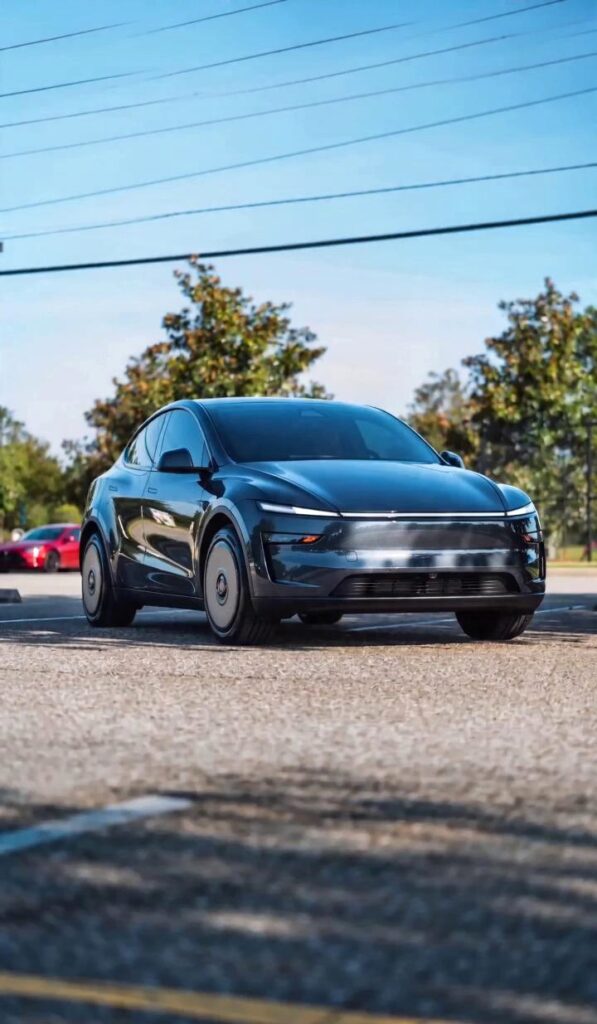
Do Tesla Wheel Covers Reduce Brake Cooling?
Yes, to a small degree. A full-face wheel cover blocks some of the airflow that normally passes through the wheel spokes and over the rotors. However, Tesla designed its factory aero covers with this in mind, and aftermarket brands like Nauticrim engineer their covers with clearance and vent gaps that keep air moving.
The real-world effect is modest for everyday driving. Regenerative braking means Tesla brakes are used far less than those on a gas car, so rotor temperatures stay low in normal commuting. The concern only becomes meaningful under sustained hard braking.
Why Brake Heat Matters on a Tesla
Rotors that stay too hot for too long can suffer brake fade, accelerated pad wear, and uneven deposits on the rotor surface. On a Tesla, the regen system handles most deceleration, so friction braking kicks in mainly at low speeds or during aggressive stops.
- City driving: regen does the heavy lifting; covers have essentially no impact.
- Mountain descents: long, continuous braking builds heat — airflow helps here.
- Track days: most performance drivers remove covers entirely.
- Towing or heavy loads: more mass means more brake energy, so ventilation matters more.
How Tesla Aero Covers Manage Airflow
Factory Model 3 and Model Y aero covers are not sealed domes. They use perimeter gaps and shaped inlets that allow air to flow across the wheel face and toward the brake area. Tesla also validated these covers across extreme conditions — from desert heat to alpine descents — before shipping them on every car.
Aftermarket covers vary more in design. Full-face styles that sit close to the spokes restrict more air than open-slot designs. If you are shopping, look for covers with venting or a bit of standoff from the wheel surface.
When You Should Worry — and When You Should Not
For the vast majority of owners, Tesla wheel cover brake cooling is a non-issue. Your brakes only work hard when regen is full or the battery is cold, and even then, a few seconds of friction braking will not overheat covered wheels.
Worry becomes reasonable in specific scenarios: repeated downhill runs with a loaded car, autocross or track use, or towing. In those cases, consider swapping to covers with more open venting, or pulling them for the event. Brake fade announces itself with a spongy pedal and longer stopping distances — if you ever feel that, ease off and let things cool.
Quick tips to keep brakes cool with covers on
- Use regen strategically: let one-pedal driving absorb speed before long descents.
- Manage speed early: slower entry speeds mean less friction braking.
- Pick vented designs: covers with slot cutouts move more air than smooth domes.
- Inspect after hard use: heat cycling can warp cheap covers or loosen clips.
Do Covers Affect Braking Performance or Safety?
No meaningful change in stopping power comes from adding covers. The friction brakes bite the rotor regardless of what sits over the spokes. Stopping distance tests with aero covers installed match results with bare wheels in every published comparison we have seen.
The only safety note is fitment. A loose cover that shifts under braking can make noise or, in rare cases, contact the caliper area. Tight, correct installation solves this — our step-by-step install guide walks through the click checks that keep covers seated.
Choosing Covers If You Drive Hard
If your driving includes canyon roads, frequent towing, or spirited bursts, choose a cover with visible venting and quality ABS construction. Heat-resistant ABS and aluminum options hold their shape far better than bargain-bin plastic. Our material comparison guide covers how each option handles heat over time.
Colors matter less for function but more for heat soak on the cover surface itself — dark covers in direct sun get hot to the touch, though this does not transfer to rotor temperature in any significant way.
FAQ
Can I track my Tesla with wheel covers on?
We do not recommend it. Track braking generates sustained rotor heat, and removing covers gives maximum airflow. Most track-prepped Teslas run bare wheels anyway.
Do brake dust and heat damage wheel covers?
Heat alone rarely damages quality covers, but baked-on brake dust can stain finishes. Clean covers regularly — see our cleaning guide for safe products and technique.
Are vented aftermarket covers worse for range?
Only slightly. Open venting trades a fraction of the aero benefit for better airflow. The difference in real-world range is typically under 1-2%, far smaller than speed, weather, or tire pressure effects.
Bottom Line
Tesla wheel cover brake cooling is a solved problem for normal driving — factory and quality aftermarket covers leave enough airflow, and regen does most of the braking work anyway. Match your cover choice to your driving style, inspect fitment after hard use, and you get both the range benefit and peace of mind.
Ready to upgrade? Browse the full collection of Tesla-specific covers at the Nauticrim shop and find a set that fits your wheels and your driving.